


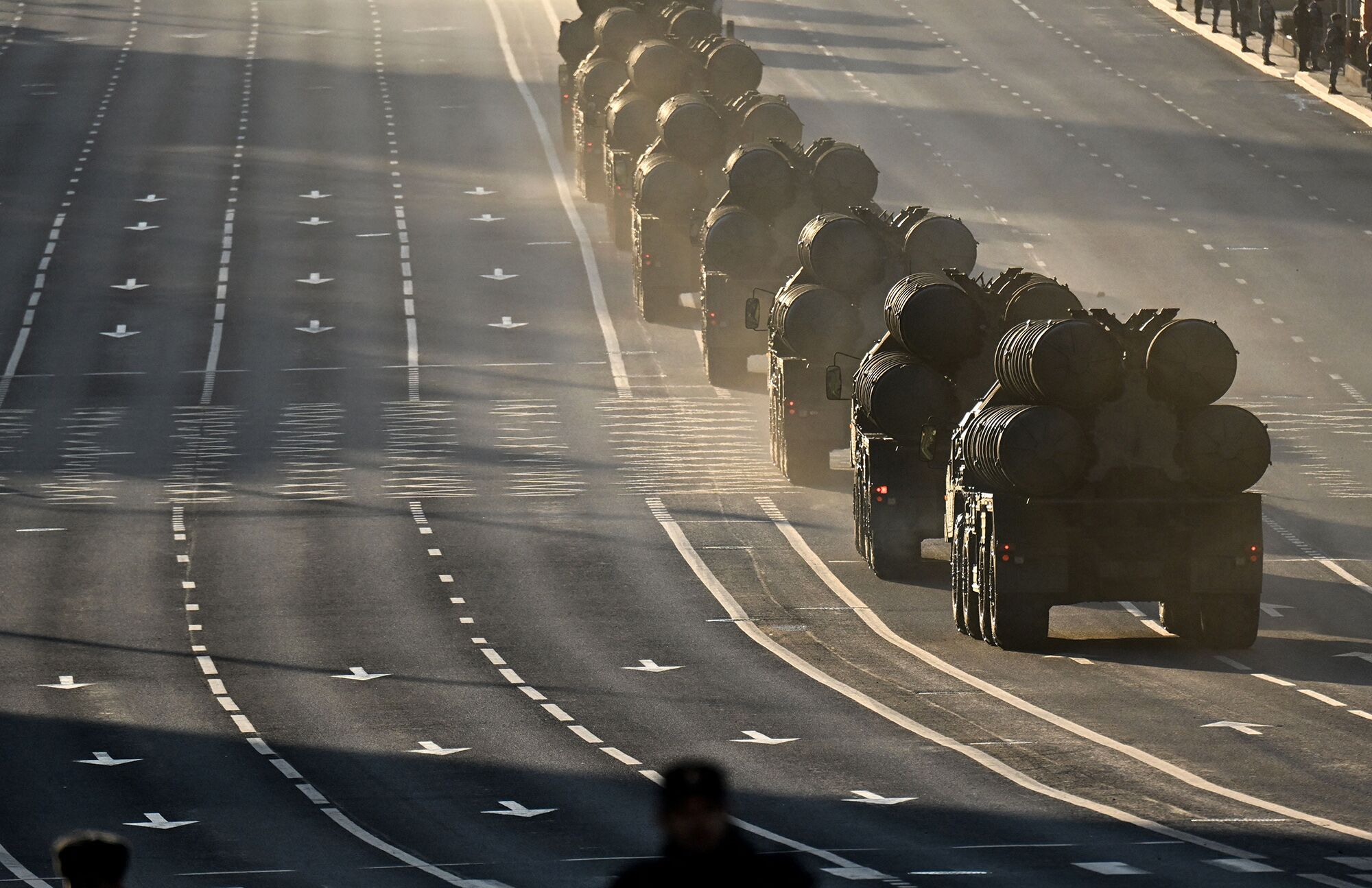
In a rare display of public criticism toward Moscow, the director of Israel’s Mossad intelligence agency, David Barnea, has expressed deep concerns about the possibility of Russia providing advanced weaponry to Iran. Barnea’s recent speech highlights the potential security risks posed to Israel if Iran were to receive such weapons and critical materials, as reported by Knewz.com.
The primary source of concern revolves around Iran’s pursuit of advanced air-defense systems from Russia, a development initially reported by sources in March. The specific focus lies on whether Russia intends to supply Iran with the S-400 missile defense system, which Israeli authorities fear could significantly hamper their ability to address Iran’s nuclear program.
Israel has consistently underscored its commitment to preventing its arch-nemesis, Iran, from acquiring nuclear weapons and has not shied away from issuing military threats as a response, according to Bloomberg. However, Israel has also been careful to maintain relatively restrained diplomatic ties with Moscow, particularly concerning Middle East affairs, due to Russia’s strengthened relationship with Iran, partly driven by their involvement in the Ukraine conflict.
During his public remarks reported by Bloomberg, Barnea revealed that Mossad had successfully thwarted over two dozen planned attacks by Iran, targeting Jewish and Israeli interests worldwide this year. While specific details were not provided, these revelations shed light on the ongoing covert operations against Iran by Israeli intelligence.
Barnea issued a stern warning in his address, emphasizing that should any attack linked to Iran result in harm to Jews or Israelis, Israel would respond with force, even potentially targeting the heart of Tehran, including Iranian officials and policymakers “from the bottom all the way to the top.” This warning comes in response to what Barnea referred to as a “political directive by the leader,” seemingly alluding to Iran’s Supreme Leader Ayatollah Ali Khamenei. Barnea’s statement, as reported by the Times of Israel, underscores the gravity of the situation and Israel’s determination to safeguard its interests.
He noted, “Fortunately for Iran, their terror efforts have been thwarted. Why fortunately for them? Because thus far we have only got to the operatives and those who dispatched them.” However, he issued a stark warning that if Israelis or Jews were to be harmed, Israel’s response would escalate to “the highest echelon,” indicating the severity of the potential consequences for any such actions.
In conclusion, David Barnea’s public expression of concern regarding potential Russian weapon supplies to Iran reflects the high-stakes geopolitical dynamics in the region. Israel’s unwavering commitment to its security interests and its readiness to respond forcefully underline the gravity of the situation and the complexities of Middle Eastern geopolitics.