


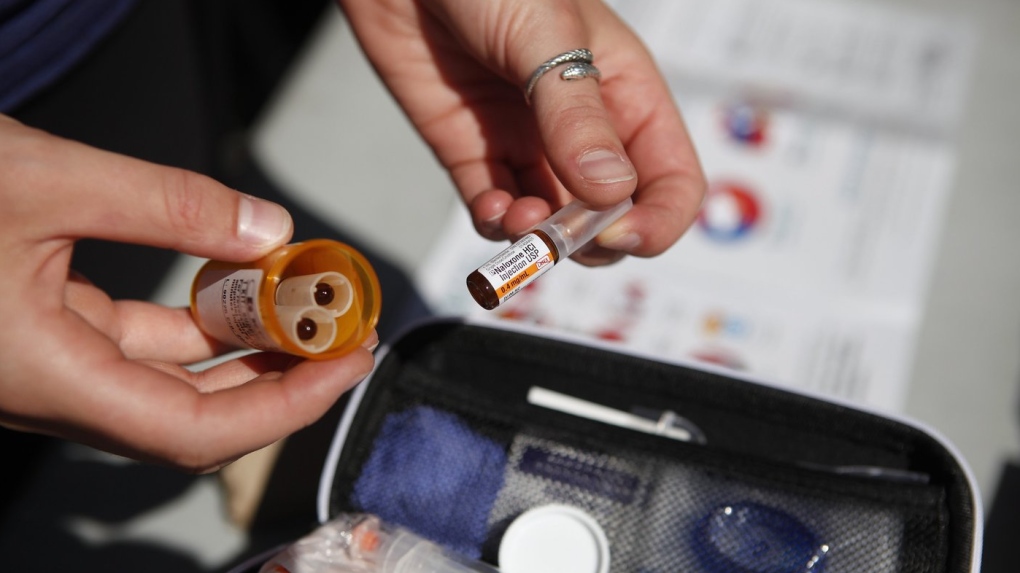
A panel of experts, including individuals with lived experience of drug use, has recommended that take-home naloxone kits distributed across Canada should contain both versions of the opioid overdose-reversing drug – a nasal spray and an injectable formulation. This guidance, led by the BC Centre for Disease Control (BCCDC), aims to standardize these kits, which are provided through various outlets, including pharmacies, community groups, and emergency departments, to anyone who may respond to an overdose.
The inclusion of both nasal spray and injectable naloxone options is intended to provide responders with a choice of methods when a fast response is required after an overdose involving illicit substances. Some people may be uncomfortable with needles, so having nasal spray readily available can ensure a faster response.
Naloxone is a life-saving medication used to reverse opioid overdoses caused by drugs such as fentanyl, heroin, morphine, and oxycodone. While it does not work on stimulant overdoses (e.g., cocaine, MDMA, Ritalin), it also does not cause harm if administered in such cases.
The majority of currently distributed take-home naloxone kits in Canada include injectable naloxone, syringes, gloves, an alcohol swab, and a “barrier shield” for mouth-to-mouth resuscitation. Injectable naloxone can temporarily reverse an overdose in about three to five minutes. However, both nasal spray and injectable naloxone formulations have their merits.
Dr. Jane Buxton, an epidemiologist and senior author of the guidance, explained that take-home naloxone programs vary among provinces and territories, with different access to nasal spray formulations. The cost of the nasal spray remains a hurdle for some regions. While some provinces offer free nasal spray naloxone at various locations, including pharmacies, needle exchange programs, shelters, and public health units, others may not provide it as readily.
The guidance also emphasizes the importance of prioritizing rescue breaths (mouth-to-mouth resuscitation) to oxygenate a person’s blood over massaging their heart, a practice not consistently followed throughout the country.
The move to standardize naloxone kits with both nasal spray and injectable options comes as opioid overdose deaths continue to rise in Canada, with more than 37,000 people dying of toxic drug overdoses since 2016. Ensuring greater access to these life-saving kits is crucial as part of a comprehensive response to the overdose crisis.
The BCCDC has been a pioneer in distributing naloxone kits, starting Canada’s longest-running provincewide take-home naloxone program in 2012. However, overdose deaths in British Columbia continue to surge, with 1,455 fatalities recorded between January and July 2023, highlighting the urgency of addressing the crisis.
The recommendation for dual-formulation naloxone kits aims to provide more accessible and user-friendly options for those who may find themselves in a position to respond to an overdose, ultimately saving lives and mitigating the impact of the overdose crisis in Canada.