


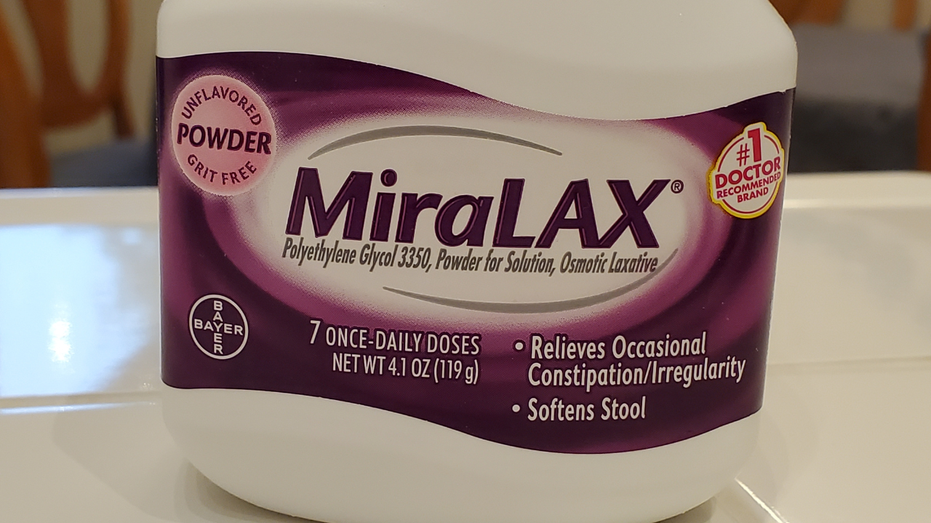
Laxatives are currently experiencing a surge in popularity, with such high demand that it’s reportedly causing a national shortage of polyethylene glycol 3350, a key ingredient in name-brand products like Miralax and Glycolax. The reasons behind this increase in demand are multifaceted and complex.
One contributing factor is the aging population in the United States. Older adults are more prone to constipation than younger individuals, making laxatives a common choice for relief. Additionally, the average American diet often lacks sufficient fiber intake, which can lead to digestive issues, including constipation.
The lingering physical and psychological effects of the COVID-19 pandemic have also played a role in the surge of laxative use. Lockdowns and restrictions resulted in reduced physical activity, poor dietary choices, and heightened stress levels, all of which can contribute to gastrointestinal problems, including constipation. On the flip side, as the pandemic waned and people returned to their usual routines, changes in daily habits may have caused a fresh wave of gastrointestinal issues.
Dr. George Pavlou, head of the Gastroenterology Associates of New Jersey, remarked, “It’s crazy to think that our collective bowel dysfunction problems have gotten so bad that we’re literally running out of stool softeners.”
However, there are more concerning psychological trends associated with the increased laxative demand. Some individuals are turning to laxatives as a weight loss strategy, despite the significant differences between laxatives and medications like Ozempic. Laxatives have been linked to diet culture for decades, despite their ineffectiveness for weight loss and potential health risks. In severe cases, excessive laxative use can lead to dehydration, mineral imbalances, and internal organ damage, according to the National Eating Disorders Association.
Dr. Jenna DiLossi, an eating disorder specialist, noted that before the pandemic, laxative use for weight loss was less common among her clients. However, in recent times, she has seen an uptick in new teen clients who admit to using laxatives for weight control, often influenced by trends on social media platforms like TikTok.
Sophie Spiers, a 30-year-old fashion copywriter in Los Angeles, shared her personal experience, saying, “I had periods in my early 20s where I really struggled with disordered eating, and it became tied to a mental thing of having to take my Miralax or I’m going to feel fat today.” While Spiers has found healthier ways to manage her reliance on laxatives, she continues to take Miralax daily.
It’s important to recognize that laxatives and stool-related supplements do serve a legitimate medical purpose. However, overreliance or misuse can harm the gastrointestinal system. If you find yourself reaching for laxatives regularly, especially if you are a younger person, it’s crucial to consult with a healthcare professional. As one expert suggests in the report, increasing your intake of fruits, vegetables, and whole grains may be a healthier and more sustainable approach to addressing digestive issues before considering medication.
In conclusion, the increasing demand for laxatives is influenced by a combination of factors, including aging demographics, dietary habits, pandemic-related stress, and concerning trends related to disordered eating and body image. It underscores the importance of seeking medical advice and adopting a balanced approach to digestive health.